Sponsored
Sponsored
Free Edition
Verified Content
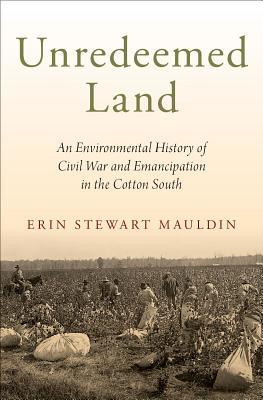
Unredeemed Land: An Environmental History of Civil War and Emancipation in the Cotton South
Overview
How did the Civil War and the emancipation of four million slaves reconfigure the natural landscape in the South and the farming economy dependent upon it?
An innovative reconsideration of the Civil War's profound impact on southern history, Unredeemed Land traces the environmental constraints that shaped the rural South's transition to capitalism during the late nineteenth century. Dixie's "King Cotton" required extensive land use techniques across large swaths of acreage, fresh soil, and slave-based agriculture in order to remain profitable. But wartime destruction and the rise of the contract labor system closed off those possibilities and necessitated increasingly intensive methods of cultivation that worked against the environment. The resulting disconnect between farmers' use of the land and what the natural environment could support intensified the economic dislocation of freed people, poor farmers, and sharecroppers. Erin Stewart Mauldin demonstrates how the Civil War and emancipation accelerated ongoing ecological change in ways that hastened the postbellum collapse of the region's subsistence economy, encouraged the expansion of cotton production, and ultimately kept cotton farmers trapped in a cycle of debt and tenancy.
The first environmental history to bridge the antebellum, Civil War, and Reconstruction periods, Unredeemed Land powerfully examines the ways military conflict and emancipation left enduring ecological legacies.
An innovative reconsideration of the Civil War's profound impact on southern history, Unredeemed Land traces the environmental constraints that shaped the rural South's transition to capitalism during the late nineteenth century. Dixie's "King Cotton" required extensive land use techniques across large swaths of acreage, fresh soil, and slave-based agriculture in order to remain profitable. But wartime destruction and the rise of the contract labor system closed off those possibilities and necessitated increasingly intensive methods of cultivation that worked against the environment. The resulting disconnect between farmers' use of the land and what the natural environment could support intensified the economic dislocation of freed people, poor farmers, and sharecroppers. Erin Stewart Mauldin demonstrates how the Civil War and emancipation accelerated ongoing ecological change in ways that hastened the postbellum collapse of the region's subsistence economy, encouraged the expansion of cotton production, and ultimately kept cotton farmers trapped in a cycle of debt and tenancy.
The first environmental history to bridge the antebellum, Civil War, and Reconstruction periods, Unredeemed Land powerfully examines the ways military conflict and emancipation left enduring ecological legacies.
Finding high-quality digital editions shouldn't be a challenge. With instant access to our curated library, you can start your journey with Aftermath immediately. Whether on your phone, tablet, or e-reader, the story of Raleigh's life is presented in a format designed for modern readers.
To get started finding Unredeemed Land: An Environmental History of Civil War and Emancipation in the Cotton South, you are right to find our website which has a comprehensive collection of titles listed. Our library is one of the most comprehensive resources for free digital reading materials, providing verified and safe content for book lovers worldwide.


36,114 currently reading


152,889 want to read
Sponsored
Sponsored
Book details & editions
| ISBN | 0190865172 |
| Publisher | N/A |
| Publication date | November 2018 |
| Language | English |
| Pages | pages |
| Reading Options | PDF · EPUB · Mobi |
Sponsored
Sponsored






Ratings & Reviews
5 ★
81.4%
4 ★
14.6%
3 ★
3%
2 ★
0.6%
1 ★
0.4%
4.76
BlueReads Choice
Sponsored
Write a Review
Community Reviews
Sort by: