Sponsored
Sponsored
Free Edition
Verified Content
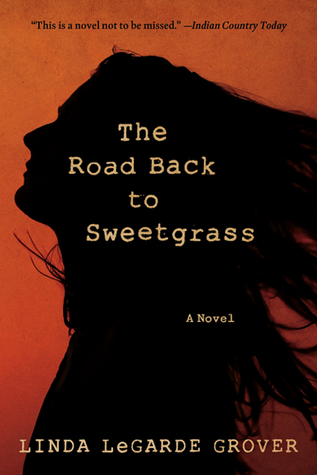
The Road Back to Sweetgrass
Overview
Set in northern Minnesota, The Road Back to Sweetgrass follows Dale Ann, Theresa, and Margie, a trio of American Indian women, from the 1970s to the present, observing their coming of age and the intersection of their lives as they navigate love, economic hardship, loss, and changing family dynamics on the fictional Mozhay Point reservation. As young women, all three leave their homes. Margie and Theresa go to Duluth for college and work; there Theresa gets to know a handsome Indian boy, Michael Washington, who invites her home to the Sweetgrass land allotment to meet his father, Zho Wash, who lives in the original allotment cabin. When Margie accompanies her, complicated relationships are set into motion, and tensions over “real Indian-ness” emerge.
Dale Ann, Margie, and Theresa find themselves pulled back again and again to the Sweetgrass allotment, a silent but ever-present entity in the book; sweetgrass itself is a plant used in the Ojibwe ceremonial odissimaa bag, containing a newborn baby’s umbilical cord. In a powerful final chapter, Zho Wash tells the story of the first days of the allotment, when the Wazhushkag, or Muskrat, family became transformed into the Washingtons by the pen of a federal Indian agent. This sense of place and home is both tangible and spiritual, and Linda LeGarde Grover skillfully connects it with the experience of Native women who came of age during the days of the federal termination policy and the struggle for tribal self-determination.
The Road Back to Sweetgrass is a novel that that moves between past and present, the Native and the non-Native, history and myth, and tradition and survival, as the people of Mozhay Point navigate traumatic historical events and federal Indian policies while looking ahead to future generations and the continuation of the Anishinaabe people.
Dale Ann, Margie, and Theresa find themselves pulled back again and again to the Sweetgrass allotment, a silent but ever-present entity in the book; sweetgrass itself is a plant used in the Ojibwe ceremonial odissimaa bag, containing a newborn baby’s umbilical cord. In a powerful final chapter, Zho Wash tells the story of the first days of the allotment, when the Wazhushkag, or Muskrat, family became transformed into the Washingtons by the pen of a federal Indian agent. This sense of place and home is both tangible and spiritual, and Linda LeGarde Grover skillfully connects it with the experience of Native women who came of age during the days of the federal termination policy and the struggle for tribal self-determination.
The Road Back to Sweetgrass is a novel that that moves between past and present, the Native and the non-Native, history and myth, and tradition and survival, as the people of Mozhay Point navigate traumatic historical events and federal Indian policies while looking ahead to future generations and the continuation of the Anishinaabe people.
Finding high-quality digital editions shouldn't be a challenge. With instant access to our curated library, you can start your journey with Aftermath immediately. Whether on your phone, tablet, or e-reader, the story of Raleigh's life is presented in a format designed for modern readers.
To get started finding The Road Back to Sweetgrass, you are right to find our website which has a comprehensive collection of titles listed. Our library is one of the most comprehensive resources for free digital reading materials, providing verified and safe content for book lovers worldwide.


36,114 currently reading


152,889 want to read
Sponsored
Sponsored
Book details & editions
| ISBN | 081669916X |
| Publisher | N/A |
| Publication date | September 2014 |
| Language | English |
| Pages | pages |
| Reading Options | PDF · EPUB · Mobi |
Sponsored
Sponsored




Ratings & Reviews
5 ★
81.4%
4 ★
14.6%
3 ★
3%
2 ★
0.6%
1 ★
0.4%
4.76
BlueReads Choice
Sponsored
Write a Review
Community Reviews
Sort by: